Human societies have always struggled with grievances. oppression, and inequality. Throughout history, religions and moral traditions have offered guidance on how individuals and communities should respond when confronted with wrongdoing. Within the Islamic tradition, the response to perception is framed through two complementary principles: patience (sabr) and lawful resistance against oppression. Islam does not encourage passive acceptance of grievances, nor does it endorse uncontrolled anger or revenge. Instead, it promotes a balanced moral framework that emphasizes patience, justice, restraint, and ethical resistance.
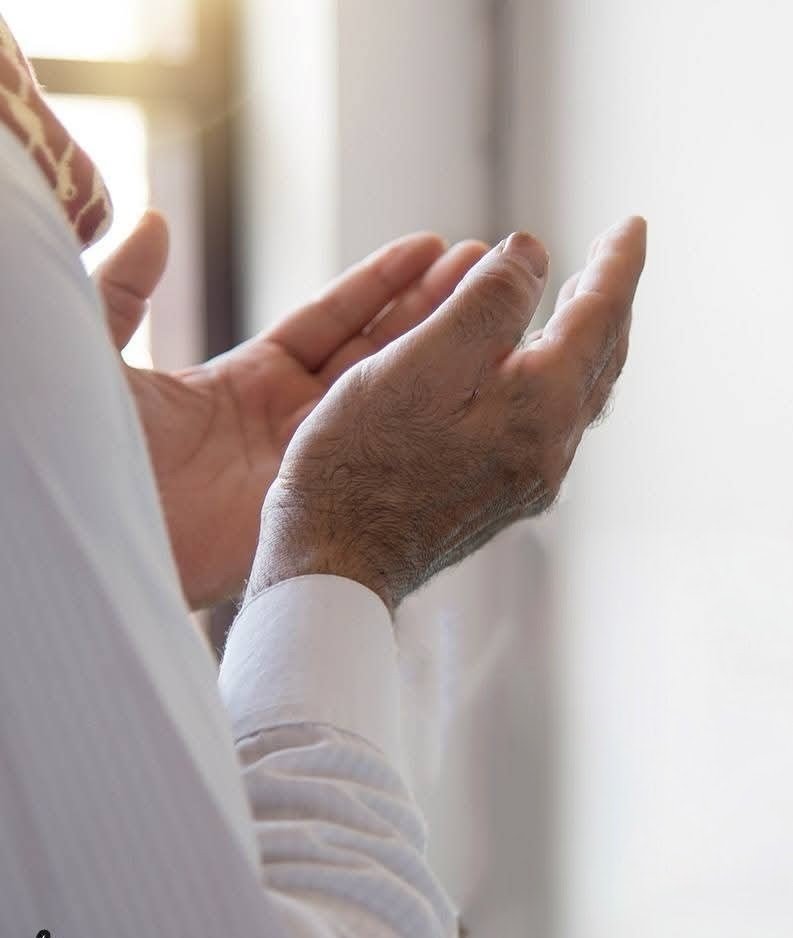
The Qur’anic worldview recognizes that unfairness is a recurring reality in human life. Individuals and communities often face persecution, discrimination, or exploitation. In such circumstances, the Qur’an first emphasizes the virtue of patience. In the Qur’an, believers are reminded: “O you who believe! Seek help through patience and prayer, indeed, God is with the patient” (2:153). Patience in this context does not imply weakness or surrender. Rather, it signifies inner strength, moral discipline, and the ability to respond thoughtfully rather than impulsively. Patience allows individuals to maintain dignity and ethical clarity even in the face of provocation.
Islamic scholars have historically described patience as a multifaceted virtue. It includes perseverance in fulfilling moral obligations, restraint from wrongdoing, and endurance during hardship. When confronted with inequality, patience becomes a protective moral shield that prevents individuals from responding with hatred or vengeance of their own. This ethical restraint ensures that the pursuit of justice remains aligned with moral principles.
The life and teachings of the Prophet Muhammad provide a powerful example of patience in the face of oppression. During the early years of Islam in Mecca, the small Muslim community faced severe persecution. Many followers were subjected to social boycotts, violence, and humiliation. Despite these hardships, the Prophet instructed his followers to remain patient and avoid violent retaliation. This early period of Islamic history illustrates that patience was not simply a personal virtue but also a strategic and moral response designed to prevent cycles of violence and retaliation.
The permission to resist partiality, however, is not unrestricted, yet Islam places strict ethical boundaries on resistance. Actions taken in its response must remain proportional and just. In addition to proportionality, the Qur’an repeatedly encourages forgiveness and reconciliation whenever possible. Another verse explains: “The recompense of an evil deed is an equivalent evil, but whoever forgives and reconciles, his reward is with God (42:40). This teaching highlights the moral aspiration of Islam. While justice permits responding to wrongdoing, the highest ethical standard lies in forgiveness when it contributes to peace and reconciliation.
The teachings of the Prophet Muhammad further illustrate the Islamic approach to confront objections. A well-known prophetic tradition states: “Help your brother whether he is an oppressor or oppressed.” When the companions asked how one could help an oppressor, the Prophet replied: “By stopping him from committing oppression.” This statement reflects the broader Islamic commitment to justice.
Islamic history demonstrates how patience and resistance can coexist within a coherent ethical framework. During the Meccan period, Muslims were instructed to remain patient and endure persecution. After the migration to Medina, the Muslim community developed institutions of governance and collective security. This transition illustrates how Islamic teachings adapt to circumstances while maintaining ethical consistency.
The emphasis on patience alongside lawful resistance also reflects Islam’s concern for social stability and moral integrity. Uncontrolled reactions to unfairness can easily escalate into cycles of violence that harm innocent people and destroy communities. By encouraging patience, Islam seeks to ensure that responses to bias remain thoughtful, disciplined, and guided by ethical principles rather than anger or revenge.
In conclusion, Islam offers a balanced and deeply humane approach while responding to discrimination. The tradition recognizes that oppression is a painful reality in human history, yet it insists that responses must remain grounded in moral principles. Patience provides the emotional and spiritual strength needed to endure hardship without losing ethical direction. Lawful resistance on the other hand, ensures that unfairness is confronted and that human dignity is defended. Together,these principles create a framework that seeks justice while preserving compassion, restraint, and social harmony.
*
*-Insha Warsi
Francophone and Journalism Studies, Jamia Millia Islamia* .*